Step 1: cleanse without stripping
Dry skin loses its lipid barrier faster with foaming or sulfate-based cleansers. A cream or oil-based cleanser, rinsed with lukewarm (not hot) water, removes the day's buildup while leaving more of the skin's natural lipids intact.
Hot water specifically accelerates transepidermal water loss, so water temperature matters as much as the cleanser formula itself.
Step 2: treat with an active cream, not an active serum
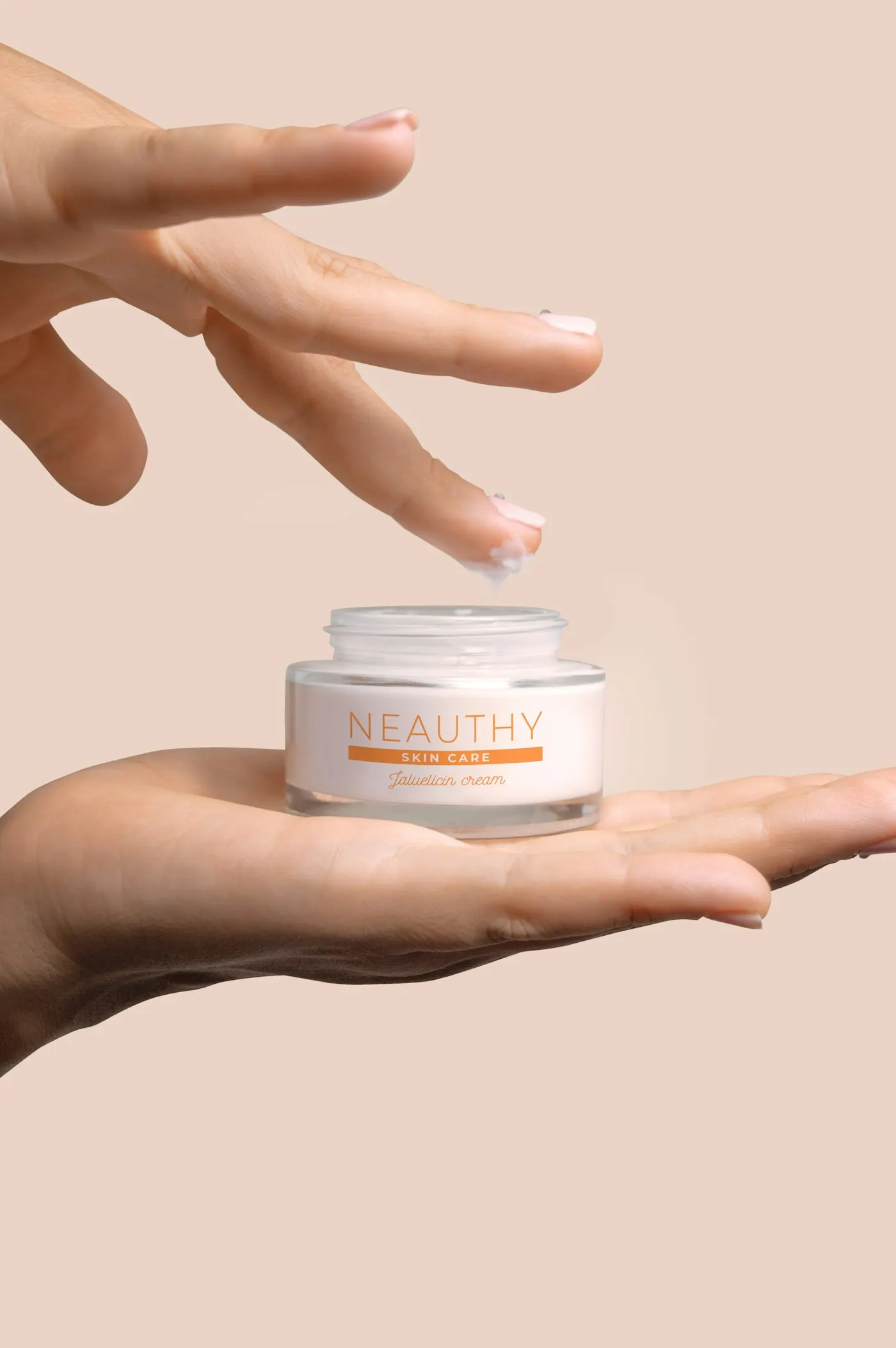
A niacinamide-based night cream, used at a tolerated concentration like 2%, supports barrier function overnight. For dry skin, a cream base (vs. a lightweight gel serum) adds occlusive ingredients that reduce water loss while the active works.
Apply to slightly damp skin; this traps more moisture underneath the cream layer than applying to fully dry skin.
Step 3: seal with a facial oil
A single-ingredient oil like cold-pressed rosehip, applied as the final step, forms a light occlusive layer on top of the cream. This is the 'oil on top' rule: oils seal in water-based products applied underneath, not the other way around.
Three to four drops is enough for the full face; more does not improve results and just extends absorption time before you can get into bed.