The setup
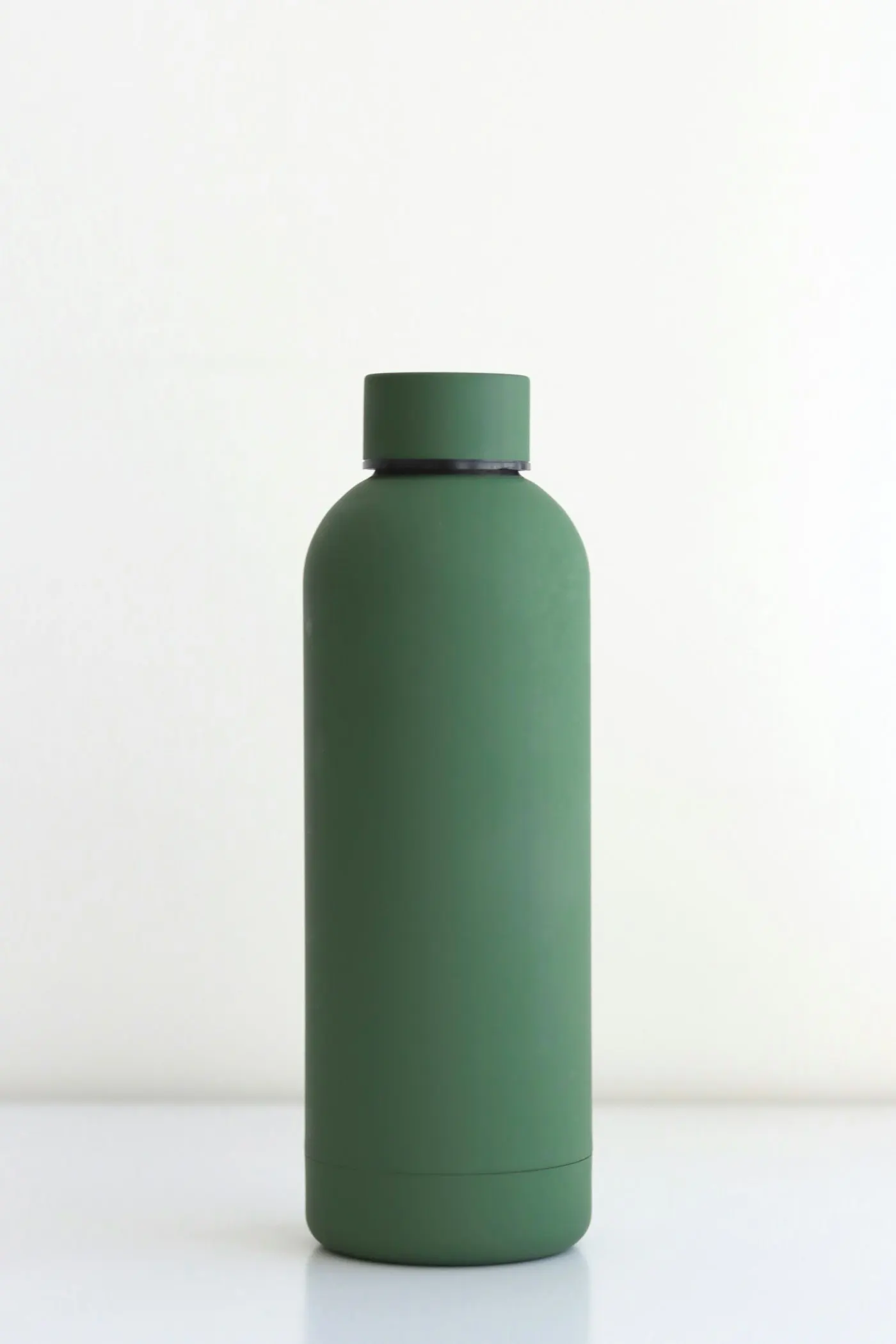
We filled a Fjell Thermo Bottle 750 with water at 95 °C and placed it outside on a balcony in Bergen at -10 °C ambient temperature, checking the internal temperature every 2 hours with a probe thermometer inserted through the lid.
At hour 2, the water read 81 °C. At hour 6, it had dropped to 68 °C, still well above the 55 °C threshold Fjell rates the bottle for at 21 °C room temperature, which made sense given the colder outside air actually slows convective loss less than you'd expect for a vacuum-insulated wall.
Where it crossed the line
By hour 10, the reading was 59 °C, just above the indoor-rated threshold. At hour 12, it dropped to 54 °C, and by hour 14 it read 49 °C, meaning the bottle held drinkable-hot water for roughly 11 to 12 hours even in freezing outdoor air.
That is close to the indoor 12-hour rating despite a 31 °C colder environment, which tells you the vacuum layer is doing most of the work, not the ambient air temperature around the bottle.
What this means for winter hikes
If you fill this bottle at breakfast with near-boiling water, expect a genuinely hot drink until early afternoon, and a warm one past that. For an overnight winter trip, refilling at a stove once per day keeps you inside the comfortable range.
We repeated the test twice (same bottle, two separate days) and got results within 3 °C of each other at every checkpoint, so this looks like a reliable number rather than a lucky run.